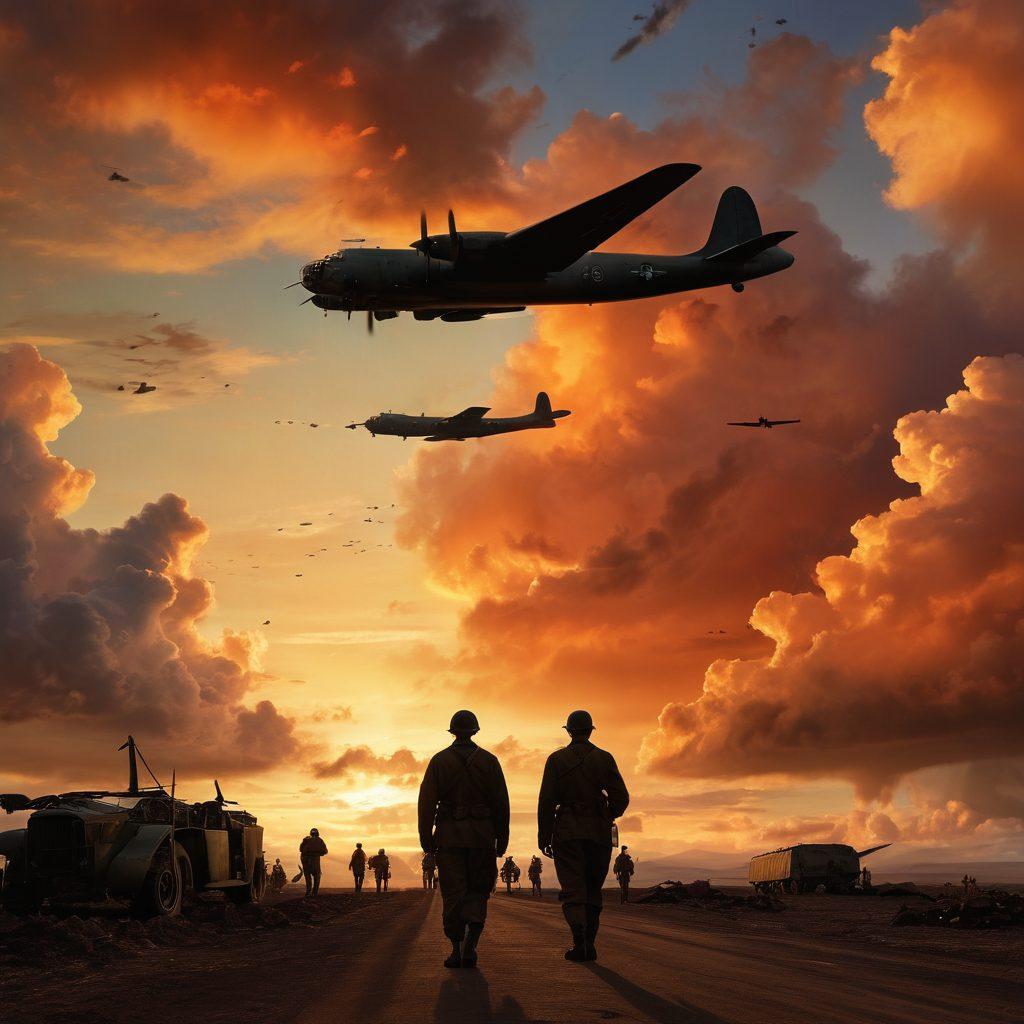
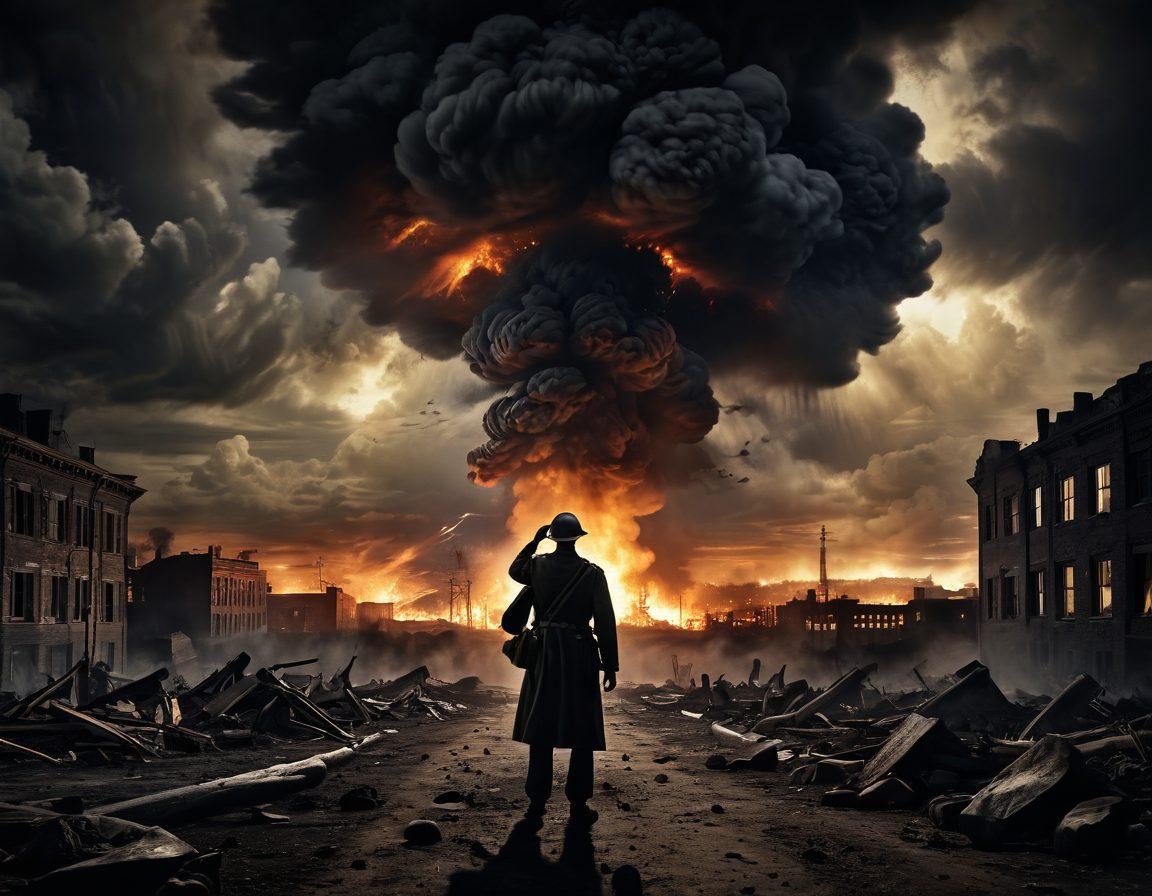
The Atomic Legacy: Exploring the Historical Significance of the Enola Gay in World War II
In the realm of military aviation and warfare, few aircraft hold as much weight in history as the Enola Gay. This B-29 Superfortress not only represents the pinnacle of American engineering prowess during World War II, but it also stands as a testament to one of the most contentious wartime decisions ever made. The Enola Gay is forever associated with the dropping of the atomic bomb on Hiroshima, marking a turning point in American history and the dawn of nuclear warfare. But what does this mean for our understanding of war legacy, peace, and conflict?
When you think of the Enola Gay, what feelings sweep over you? Is it admiration for the engineering marvel of the B-29 Superfortress, or is it a deep sense of tragedy and memory for the lives extinguished in Hiroshima and Nagasaki? The historical significance of the Enola Gay cannot be overlooked; it not only altered the course of World War II but also shifted the global landscape into the nuclear age. The aircraft's role in strategic bombing is a reminder of war's complex nature, which raises important questions: can peace ever be achieved through such devastating means?
The decision to deploy the A-bomb was not made lightly. As General Leslie Groves, the director of the Manhattan Project, once said, "We knew the world would not be the same." The weight of history presses on the narrative of the Enola Gay as it serves as a symbol of American military might and the harrowing cost of war. The aircraft did not just deliver destruction; it was a potent representation of the ethical dilemmas faced by leaders in wartime decision-making. How do we reconcile the benefits of strategic bombing with the ethical implications of nuclear warfare?
Complexity permeates the legacy of the Enola Gay, and anyone who studies military history knows that understanding the aircraft’s impact requires delving deeper into the events surrounding its fateful mission. The bombings of Hiroshima and Nagasaki were not merely acts of war; they were historical events that catalyzed discussions about atomic energy and its future. As we grapple with the consequences of such immense power, it begs another question: how does the memory of these bombings shape our current perspective on global conflicts today?
In conclusion, the Enola Gay presents us not only with the story of an aircraft and its mission but also serves as a microcosm of the broader themes of war, peace, and human experience. Its historical significance runs deeper than its military achievements; it forces us to confront uncomfortable truths about our past and consider the lessons we should carry into the future. As we reflect on this chapter of American history, let’s remember that every action has a legacy, and it is our responsibility to ensure that the lessons learned from the Enola Gay are not just echoes across time, but guiding principles in our pursuit of peace.
From Hiroshima to Nagasaki: The Enola Gay's Role in Shaping Atomic Warfare
In the annals of military history, few aircraft resonate with as much historical significance as the Enola Gay. This B-29 Superfortress, named after pilot Paul Tibbets' mother, played a pivotal role in World War II, particularly during the momentous and tragic events that unfolded over Hiroshima and, later, Nagasaki. It’s hard to overstate the sheer weight of the decision to drop the A-bomb on these cities; a decision that would forever alter the course of warfare and international relations. The Enola Gay is not just an aircraft; it is a symbol of humanity's darkest hour and the complicated legacy of wartime decisions. How do we grapple with such a significant moment in American history, one that brought about both the end of a grueling conflict and the onset of nuclear warfare?
The Enola Gay took flight on August 6, 1945, carrying the atomic bomb known as 'Little Boy.' As it soared over Hiroshima, the crew had a front-row seat to a horrifying display of atomic energy's destructive power. What was going through the minds of the soldiers on board? Reports indicate that there was a mix of dread, determination, and even a sense of duty, echoing the prevailing belief that this drastic measure would save countless lives by hastening Japan's surrender. However, the sheer scale of tragedy inflicted upon the civilians in Hiroshima—an estimated 140,000 lives lost by the end of 1945—haunts us even now, stirring an unresolved conflict between the need for peace and the moral implications of such warfare. Can true peace arise from a legacy steeped in pain?
Just three days after the bombing of Hiroshima, the Enola Gay's legacy continued with the dropping of 'Fat Man' over Nagasaki. This event marked a watershed moment in strategic bombing and showcased the United States’ commitment to nuclear warfare as a means of conflict resolution. As history unfolds, we often ponder the 'what ifs.' What if these bombings never happened? Would World War II have ended differently? Would the subsequent Cold War have been averted? These historical events challenge not only our understanding of warfare but also our reflections on peace and conflict. The debate surrounding nuclear energy and its potential for destruction versus its possibilities for progress is as alive today as it was in 1945.
The legacy of the Enola Gay is undeniably complex. As we remember the tragedy and memory of Hiroshima and Nagasaki, we find ourselves at the crossroads of respecting the past and learning from it. It's essential to recognize the duality present in the discussions around the atomic bombings—the appreciation of military strategy during wartime, and the irrevocable loss of life that accompanies it. Join me in pondering this question: How do we honor those lost in these bombings while also seeking a peaceful future? The responsibility lies in understanding and acknowledging our past. In a world increasingly quiet about the horrors of nuclear warfare, we must educate ourselves and others to ensure that the sacrifices made are never forgotten.
The Enola Gay, a vessel of historical significance, propels us into discussions about nuclear energy's role in our present and future. Today, as conversations around nuclear power and disarmament emerge, we must draw lessons from World War II. The tragedy that unfolded in Japan reminds us that with great power comes great responsibility. The choices made during wartime reverberate through generations. One cannot help but ask: What does the war legacy of the Enola Gay teach us about our current global conflicts? It teaches us that the path to peace is fraught with complexity and that understanding history is the first step in ensuring a future devoid of such tragedies. It's a story worth revisiting, as we strive for a world where dialogues replace destruction, and understanding supersedes ignorance.
Wartime Decisions and Their Consequences: The Legacy of the Atomic Bomb in World War II
As we delve into the heart of World War II, one cannot overlook the chilling legacy left by the Enola Gay, the aircraft that dropped the first atomic bomb over Hiroshima. Imagine standing there, witnessing the dawn of a new era—a moment when humanity danced dangerously close to the brink of nuclear annihilation. This pivotal moment not only altered the course of the war but also shaped the very fabric of military history and international relations. What decisions led to this fateful day, and what have we learned about the consequences of wielding atomic energy as a tool of warfare?
The term "A-bomb" now carries a weight far beyond its syllables; it evokes a tapestry of strategic bombing decisions deep-rooted in the complexities of wartime politics. When President Truman faced the monumental wartime decision to deploy the atomic bomb, he was motivated by a confluence of factors—military strategies aimed at hastening Japan's surrender, the desire to limit American casualties, and the need to assert dominance in the post-war order. However, one must ask: at what cost did peace come? The tragedy and memory of Hiroshima and Nagasaki linger on, serving as haunting reminders of the human toll involved in this warfare.
The Enola Gay, a B-29 Superfortress, transformed from an ordinary aircraft to a symbol of American power and the atomic age. Its historic flight is not just about military triumph; it represents a profound shift in how wars would be waged and understood moving forward. This shift gave rise to a complex dialogue about peace and conflict, one that still resonates in today's geopolitics. Can such colossal destructive power ever be justified? The dissenting voices filled with sorrow and loss challenge us to rethink our definitions of victory and morality in the annals of military history.
The legacy of the atomic bomb extends far beyond the bombsites of Hiroshima and Nagasaki. It opened an unsettling chapter in human history—one fraught with ethical dilemmas and fears of nuclear warfare. The horrendous aftermath of these bombings has etched itself into our collective consciousness. We are left not only with the memory of devastation but also with an immense responsibility: to learn from these historical events to ensure that history does not repeat itself. The question looms—how do we navigate the fine line between the necessity of a strategic bomb and the compassion for human life?
In conversations about war legacy, it's essential to confront the uncomfortable truths that the Enola Gay's mission unveiled. The advancements in technology and military strategy that followed birthed new forms of conflict, and we must grapple with these changes. As advocates of peace, it’s crucial that we engage in dialogue about the effective use of atomic energy, how it plays into the framework of global diplomacy, and what lessons we must impart to future generations. After all, can the horrors of the past propel us toward a more peaceful future, or will we find ourselves entangled once again in cycles of violence? The answer lies within our willingness to confront these truths head-on, ensuring that the shadows of the past illuminate the path forward.